
The short answer: a coastal kitchen that lasts in Naples starts with materials that shrug off humidity, then layers in light, texture, and a few quiet nods to the water. The look is easy to love and easy to get wrong. Down here, the real test is not whether a kitchen photographs well in March. It is whether the cabinet doors still close square in September, after a summer of 91-degree afternoons and daily Gulf moisture. This guide covers the choices that hold up.
Key takeaways
- Naples heat is not seasonal. NOAA climate normals show highs in the 80s every month of the year and 121 days annually that reach 90 degrees or hotter, so humidity resistance matters year-round.
- Quartz is the workhorse countertop for humid kitchens: nonporous, no sealing, no etching. Quartzite gives you real stone with better stain resistance than marble, at the price of periodic sealing.
- Solid wood doors move with moisture. Painted doors on moisture-resistant substrates, or well-finished plywood boxes, stay truer through wet season.
- Choose living finishes for hardware. Satin brass, aged bronze, and matte black hide fingerprints and wear better than bright polished finishes near salt air.
- Designers keep coastal color quiet: crisp whites without yellow undertones, earthy neutrals, and one saturated accent, not a wall of turquoise.
- Texture carries the coastal feeling. Rattan pendants or woven stools read as beach without a single anchor on the wall. Use one, not both.
Start with the climate, not the color palette
Most coastal kitchen roundups are written for houses that see four seasons. Naples does not. Per NOAA climate normals compiled by Current Results, July and August average highs here run 91 degrees, the thermometer tops 90 on roughly 121 days a year, and even January posts a dozen days in the 80s. Add the wet-season humidity that rides in off the Gulf from late May through October and you have a room that works like a low-grade steam bath every time someone boils pasta.
That climate is the filter for every decision that follows. Air conditioning does a lot of the work, but kitchens generate their own heat and moisture, and lanai doors in Naples spend half the year open. A material that needs stable humidity to behave is a material that will disappoint you. This is the same logic we apply across the house in our coastal interior design guide: the style is a response to the place, not a costume for it.
Countertops: quartz for the workhorse, quartzite for the romance
Marble is the classic coastal counter in magazines, and it remains a beautiful choice for a rarely used bar or a butler’s pantry. As a daily prep surface in a busy Naples kitchen, it asks for patience: it is soft, it etches on contact with lemon and vinegar, and it needs regular sealing. There are two better answers for most households.
Engineered quartz is nonporous, never needs sealing, and comes in soft whites and sandy veining that suit the palette. Quartzite, the natural stone often confused with quartz, is harder than marble and delivers the depth and movement that engineered slabs still struggle to fake. It does want sealing on a schedule, but it forgives spills that would scar marble. In the Real Homes coastal kitchen guide, designer Nina Lichtenstein points clients toward countertops “in materials such as marble or quartz to emulate the natural beauty of sand.” We would simply add: in Southwest Florida, let quartz take the daily abuse and save honed marble for surfaces that do not see knives and citrus.
| Surface | Humidity and stain behavior | Maintenance | Best use in a Naples kitchen |
|---|---|---|---|
| Engineered quartz | Nonporous; unaffected by moisture; resists stains | None beyond cleaning | Primary prep counters, island |
| Quartzite | Natural stone; harder than marble; good stain resistance when sealed | Periodic sealing | Island showpiece, full-height backsplash |
| Marble | Porous; etches with acids; needs vigilance | Frequent sealing, gentle cleaners | Bar, pantry, baking station |
| Butcher block | Moves with humidity; needs oiling to resist moisture | Regular oiling | Accent section, not around the sink |
Cabinets that do not mind August
Wood moves. In a climate where indoor humidity swings every time the sliders open, wide solid-wood door panels expand, contract, and eventually show hairline cracks at the joints or doors that rub in summer and gap in winter. That does not mean giving up the warmth of wood. It means being deliberate about where the wood is real and how it is finished.
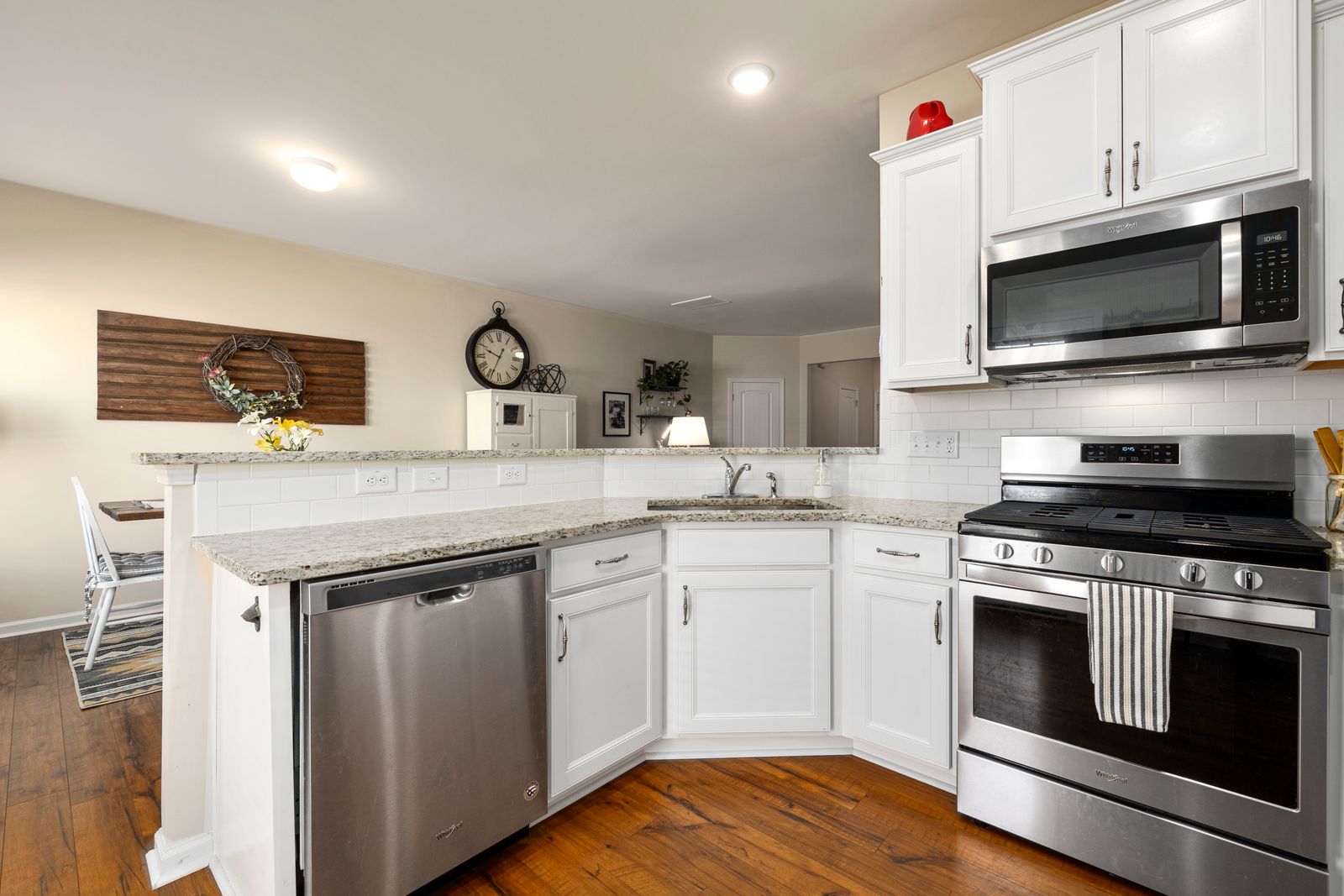
Painted shaker doors on engineered or moisture-resistant substrates keep their lines through wet season. If you want visible grain, a white oak island or a run of oak floating shelves delivers the texture with far less risk than a whole perimeter of stained solid doors, and a factory-applied catalyzed finish resists moisture much better than site-applied paint. Whatever the door style, insist on a fully finished interior and back panel. Raw or lightly sealed backs are where humidity gets in first.
Hardware, fixtures, and the salt-air question
Anyone who has owned a beach-adjacent home knows what salt air does to bright, delicate finishes on exterior hardware. Inside a conditioned kitchen the effect is slower, but the principle carries: choose finishes that age rather than finishes that fail. Satin or aged brass, bronze, and matte black are forgiving. They hide water spots and fingerprints, and when they wear, they wear into character. In Real Homes, designer Shaolin Low of Studio Shaolin says blue cabinets with oak floating shelves and brass hardware “just screams coastal,” and offers a second route for a quieter room: “white with brass hardware and then a pop of pink, cane, or textured material.”
Two practical notes. First, buy solid-metal pulls rather than plated ones where budget allows; plating is the layer that bubbles and peels in humid rooms. Second, match the finish energy, not the finish exactly. A satin brass faucet with matte black pulls looks collected. Six different brasses look like a rushed renovation.
Color and texture: coastal without the costume
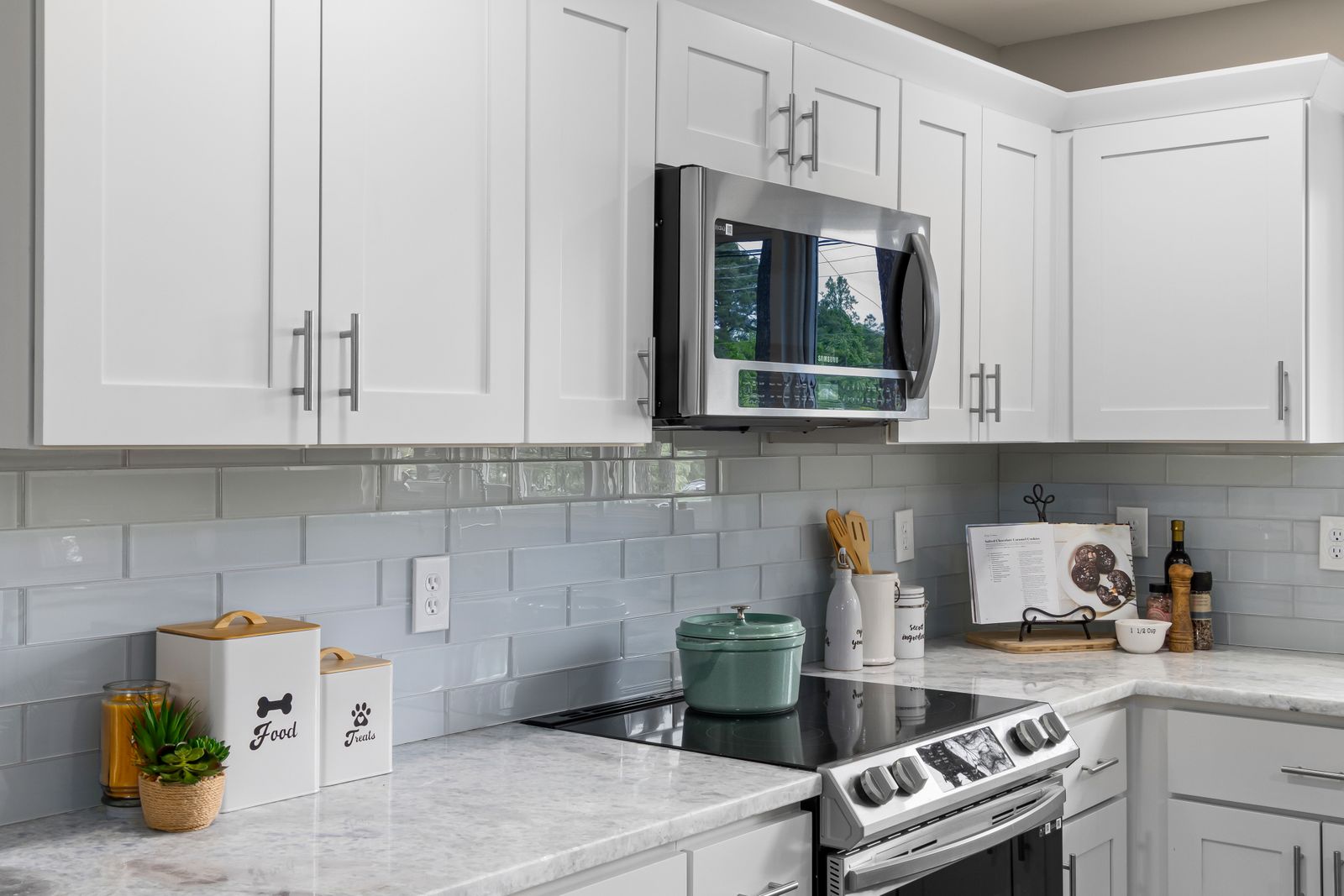
The strongest coastal kitchens in Naples do not announce the beach. They imply it. That means whites with no yellow undertone, sandy neutrals, sea-glass greens, and one committed accent, whether that is a blue island or a run of handmade zellige tile. It also means letting texture do the talking. Lichtenstein’s advice in Real Homes is to reach for “reclaimed wood, weathered driftwood, rattan, bamboo, and seagrass to add texture and visual interest.” Her fellow designer Leigh Jendrusina of SALTHOUSE Collective adds a useful guardrail: bring in one woven element, like rattan island pendants or counter stools, but not both. One reads as intentional. Two reads as theme.
Lighting completes the picture, and in Southwest Florida it has to handle two extremes: hard midday glare and long, dark summer evenings. Sheer window treatments filter the glare without blocking the light that makes the palette work. Then layer the artificial light: pendants over the island, under-cabinet task lighting, and dimmers everywhere, with warm-temperature bulbs that flatter both the room and the people in it. If you are sourcing pendants and stools locally, our guide to Naples furniture stores lists showrooms worth the trip.
Budget where it counts
If you are choosing between a pricier slab and pricier everything else, put the money into the surfaces you touch daily: counters, hardware, and the faucet. Open shelving in oak costs a fraction of upper cabinets and adds the warmth this style needs. And if the project is creeping from refresh toward renovation, get grounded on real local numbers first. Our breakdown of kitchen remodeling costs in Naples covers what full projects run in Collier County and where the money actually goes.
Frequently asked questions
What colors make a kitchen feel coastal without looking themed?
Start with a crisp white or warm sand neutral on the perimeter, then commit to one accent drawn from the water or the shore: sea-glass green, fog gray, or a deep marine blue on the island. Keep the accent to one gesture. The coastal feeling should come from light and texture, with color as the supporting act rather than the headline.
Is quartz or quartzite better for a Florida kitchen?
For pure durability and zero maintenance, quartz wins: it is nonporous, never needs sealing, and does not etch. Quartzite is the choice when you want genuine natural stone with dramatic veining, and it outperforms marble on stains and scratches. The honest tradeoff is a sealing routine. Many Naples kitchens use both, with quartz on the perimeter and a quartzite island.
Do wood cabinets warp in Florida humidity?
Solid wood expands and contracts with moisture, so wide solid panels can rub, gap, or crack at the joints over years of humidity swings. Air conditioning limits the damage, but painted doors on moisture-resistant substrates, factory finishes, and fully sealed cabinet backs are the safer play. Save true solid wood for an island or open shelving, where movement matters less.