
The short answer: AI can sketch a convincing coastal living room in under a minute, and it can also render a sisal rug floating an inch above the floor beside a window no Collier County inspector would pass. We have spent time with the published testing on the AI interior design coastal question, and the pattern is consistent. These tools are genuinely useful for finding a direction: palette, mood, the ratio of white oak to whitewash. They are unreliable on the details that make a coastal room work in Naples, from humidity-safe materials to impact glazing to the way a living room should flow into a lanai. Here is where the renders help, and where local reality takes over.
Key takeaways
- AI visualizers read “coastal” as a reliable visual shorthand: light woods, linen, rattan, a blue-and-sand palette. The broad strokes usually land.
- Published testing, including Apartment Therapy’s trial of 13 free tools, found results vary widely and rarely look magazine-ready without human editing.
- Material realism is the weak spot. Cane weave, slubbed linen, and driftwood grain often read as smoothed-over approximations.
- No mainstream tool accounts for Florida realities: wind-borne debris code for windows, humidity-tolerant fabrics, or lanai transitions.
- The smart workflow treats AI as a concepting step before a conversation with a designer, not a substitute for one.
What happens when you type “coastal” into an AI visualizer
Most consumer tools work one of two ways. Photo restylers such as RoomGPT take a picture of your actual room and redraw it in a chosen preset, with styles like modern, minimalist, and tropical on the menu. Text-to-image generators such as Midjourney build a room from scratch based on your written description. Both have seen the word “coastal” attached to millions of training images, so both produce something recognizable: pale floors, white shiplap or plaster, woven textures, glass, greenery, a horizon-blue accent.
That familiarity is the good news and the bad news. The style is so well represented in the training data that the output is rarely ugly. It is also rarely specific. Ask for “coastal” and you tend to get the national-average version, closer to a builder-grade beach condo than the layered, sun-bleached rooms we cover in our coastal interior design guide. Getting past the cliché takes deliberate prompting: name the woods, name the weave, name the light.
Where AI interior design coastal renders genuinely shine
The strongest use case is direction-finding. When Apartment Therapy tried 13 free AI interior design tools, the takeaway was blunt: the results will not instantly turn your space into something out of the pages of Architectural Digest, but the better tools (their favorites included Reimagine Home, HomeVisualizer.ai, and Spacely) were quick, fun, and good at surfacing ideas a homeowner had not considered. That matches what we see across the review literature. AI interior design coastal experiments are excellent at answering fuzzy early questions. Warm coastal or crisp coastal? Rattan-heavy or restrained? Does a deep navy sofa read moody or heavy in a bright room?
Professionals are quietly using the same shortcut. In the 2025 Houzz State of AI in Construction and Design report, which surveyed 722 U.S. firms in May 2025, roughly a third of design businesses said they already use AI tools, and 70 percent of designer users reported being satisfied with them. Homeowners are close behind: a 2025 Veterans United survey found 27 percent of homebuyers have used AI to visualize renovations. Used this way, the tools compress weeks of Pinterest scrolling into an afternoon. If you want a grounded reference point for what the style looks like done well, our roundup of coastal living room ideas that hold up is the human-curated version of that exercise.
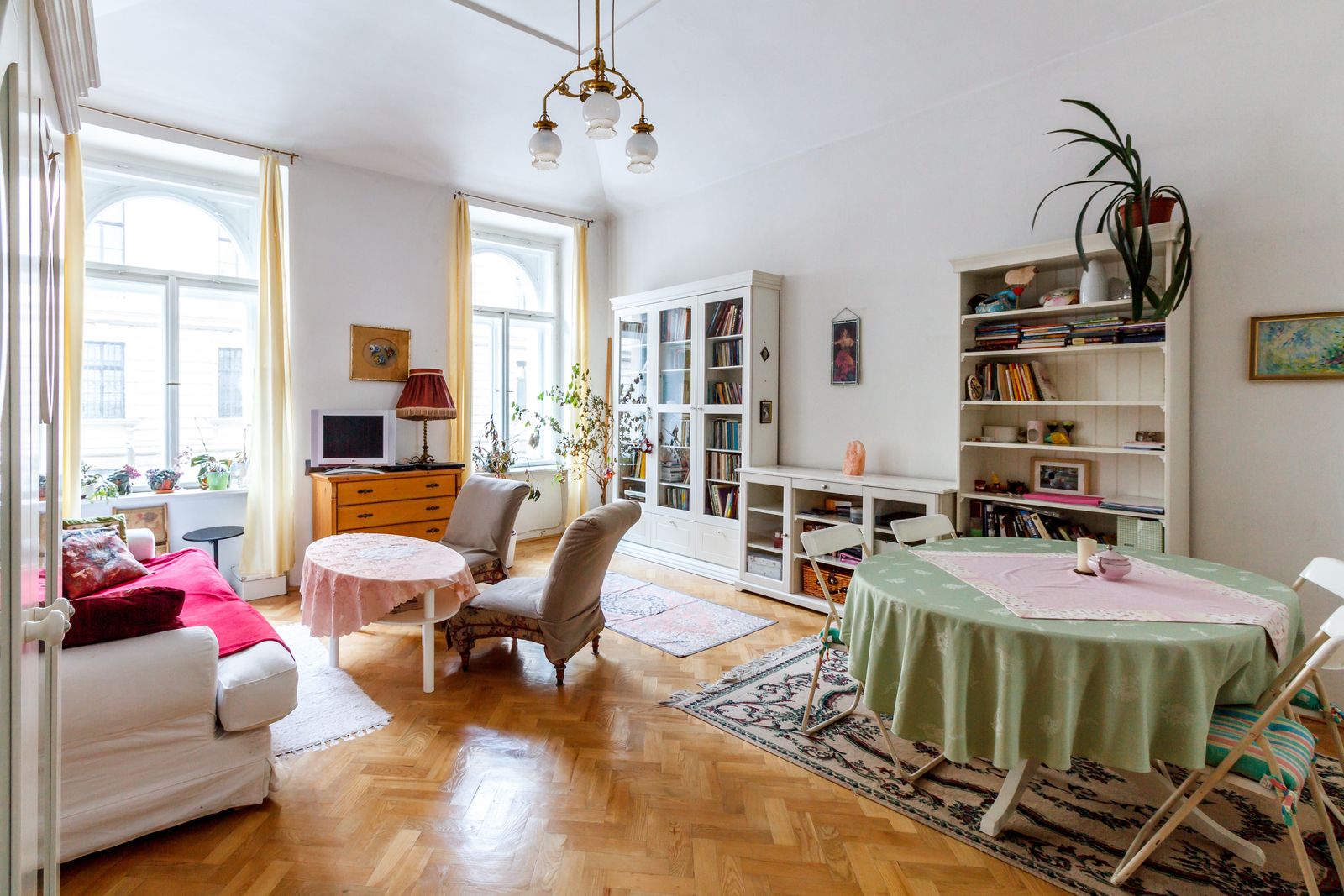
Material realism: rattan, light woods, and linen under the algorithm
Coastal style lives or dies on texture, and texture is exactly where image models cut corners. Reviewers testing these tools consistently flag misread objects and implausible details, and the misses cluster around the materials this style depends on. A few patterns worth knowing before you fall in love with a render:
- Rattan and cane. The overall silhouette of a rattan chair usually survives, but the weave often blurs into a texture that no workshop produces. Zoom in and the caning melts.
- Light woods. Models frequently render “white oak” as a uniform blond surface with painted-on grain. Real rift-sawn oak, teak, and driftwood finishes have variation the algorithm smooths away, which matters when you take a render to a showroom and nothing matches.
- Linen and performance fabrics. AI linen tends to look ironed. Actual coastal rooms rely on slubby, wrinkle-forward weaves, and increasingly on solution-dyed performance fabrics that AI cannot distinguish from cotton at all.
- Scale and physics. Reviewers regularly catch furniture floating above floors, lamps without cords, and seating pushed into clearances no one could walk through. The image is plausible; the room is not.
None of this makes the render useless. It makes the render a mood, not a spec. Treat every material in an AI image as a placeholder to be sourced by a human eye.
The Florida practicality gap: what the models do not know about Naples
This is the section we wish every tool displayed as a disclaimer. AI models are trained on images from everywhere, so they know what coastal looks like. They do not know what coastal survives. Three gaps matter most here:
Humidity. A render will happily fill a room with untreated jute, paper-cord seats, and raw plaster. In a Gulf-coast climate, unsealed natural fibers absorb moisture, sag, and invite mildew, which is why local designers reach for solution-dyed acrylics, powder-coated frames, and sealed finishes. No visualizer we have seen weighs any of that.
Windows. AI loves to invent walls of thin-framed glass. Coastal Collier County sits in Florida’s wind-borne debris region, where the Florida Building Code requires glazed openings to be impact-resistant or protected by impact-rated coverings. Impact windows have real frame profiles and real costs, and a render that ignores them is drawing a room you cannot build.
The lanai. The signature move of Naples living, a living room that opens through sliders to a screened lanai, barely exists in training data. Ask for it and you will usually get a generic patio with no screen enclosure, no transition flooring, and no thought given to which furniture crosses the threshold. The most important spatial relationship in a Southwest Florida home is the one AI understands least.
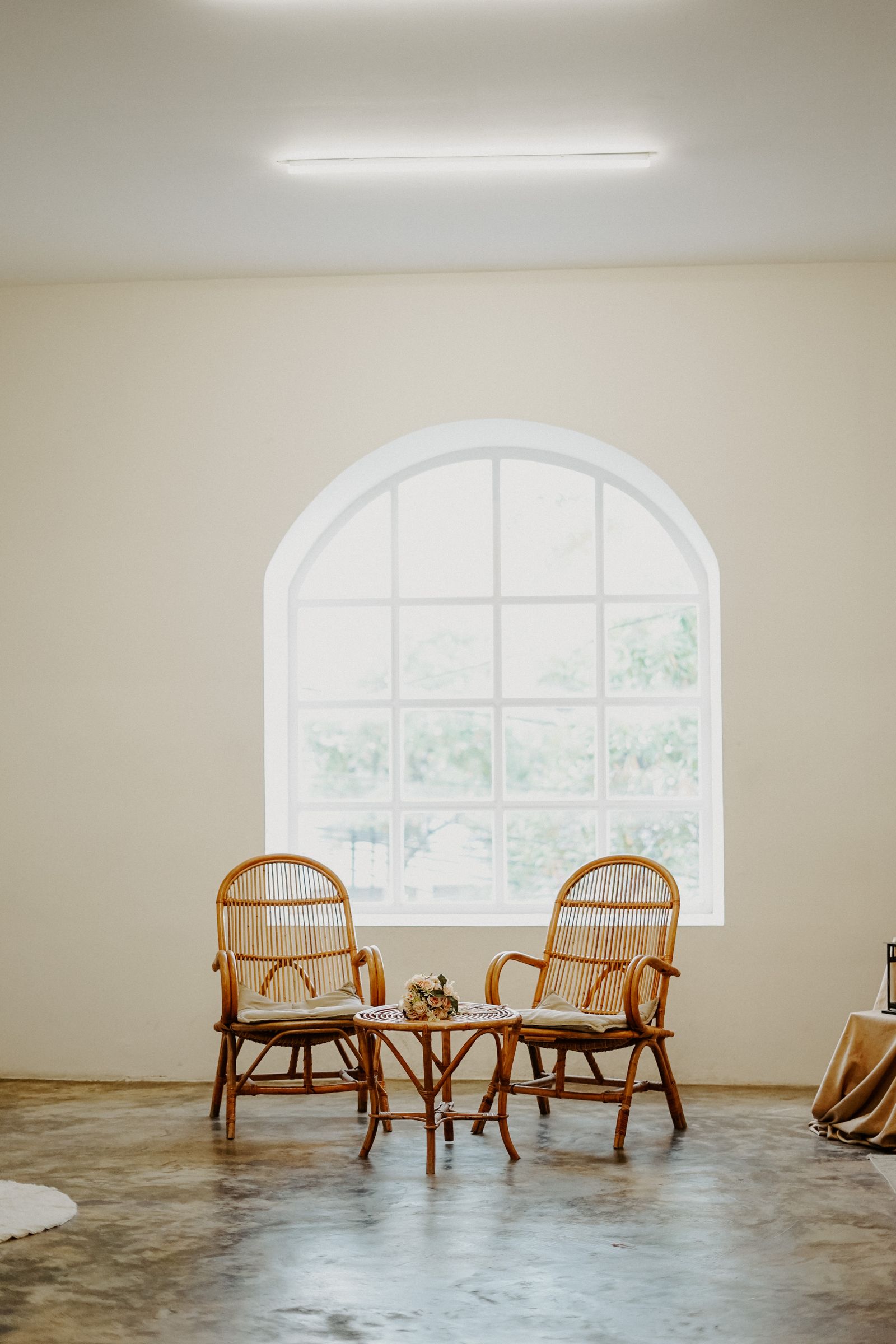
A workflow that uses the tools without trusting them
| Stage | What AI does well | What to keep human |
|---|---|---|
| Inspiration | Generate 20 coastal directions in an hour; compare palettes fast | Deciding which direction fits your light, your architecture, your life |
| Refinement | Restyle a photo of your actual room to test paint and layout moods | Measurements, clearances, furniture that actually exists |
| Materials | Suggest the vocabulary: white oak, cane, linen, honed stone | Specifying humidity-safe, UV-stable, code-compliant versions |
| Execution | Almost nothing | Everything: sourcing, ordering, installation, permits where required |
Our advice is to run the AI interior design coastal exercise early, save the three or four renders that make you feel something, and then bring them to a professional the way you would bring a tear sheet. A good designer will translate the mood into materials that survive August. Our guide to hiring an interior designer in Naples covers how to start that conversation.
FAQ
Which AI tool is best for coastal rooms specifically?
There is no coastal specialist. Photo restylers like RoomGPT are fastest for testing a look on your own room, while Midjourney gives the most control over palette and materials through detailed prompts. Apartment Therapy’s published test of free tools favored Reimagine Home, HomeVisualizer.ai, and Spacely for general use. Expect to try several; results vary by room and photo quality.
Can I hand an AI render to a contractor and say “build this”?
No. Renders routinely include impossible geometry, invented furniture, and window walls that do not meet Florida’s impact-protection requirements. Use the render to communicate mood and palette, then let your designer or contractor translate it into real products and code-compliant openings.
Will AI replace interior designers for coastal projects?
The 2025 Houzz report shows designers adopting AI themselves, mostly for time savings, while satisfaction stays highest when a human runs the process. The tools compress the inspiration phase. Sourcing, scale, climate, and code still belong to people.
Sources
- Apartment Therapy: I Tried 13 Free AI Interior Design Tools
- Houzz: 2025 U.S. State of AI in Construction and Design
- Veterans United: 2025 AI Homebuying Survey
- Florida Building Commission: Window Systems and Wind-Borne Debris Fact Sheet
- RoomGPT (official site)
- HousingWire: Can AI guide your home renovation, or do you still need an expert?